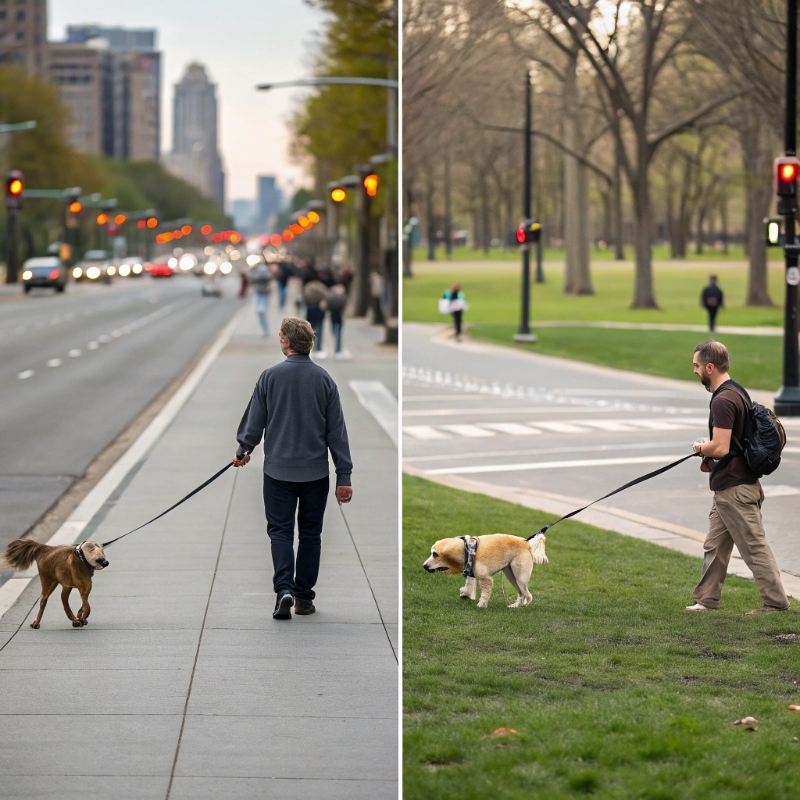
Selecting the right tool for your walk isn't just about style; it is about safety and communication. When performing a dog leash length comparison, we generally break gear down into three primary categories, each serving a specific function in your training toolkit.
· Short Leashes (Traffic Leads): Typically 1 to 2 feet long. These are designed for tight control in crowded urban environments or vet visits, offering maximum traffic leash benefits by keeping your dog right at your leg.
· Standard Leashes: The most common option is the standard 6 foot dog leash. This length strikes a balance, providing enough slack for casual sniffing while maintaining manageable control for neighborhood walks.
· Long Lines: Ranging from 15 to 50 feet (or more). These are crucial for safe exploration and recall training without full off-leash risks.
The material you choose changes how you handle the leash. For longer lengths, I always recommend a biothane long line over traditional nylon or cotton. Biothane is waterproof, easy to wipe clean, and resists knotting—a lifesaver on muddy trails.
Regardless of length, look for these key ergonomic and safety features:
· Reflective Stitching: Essential for visibility during early morning or late-night walks.
· Padded Handles: Neoprene padding prevents "leash burn" and protects your hands if your dog suddenly lunges.
Would you like me to detail the specific pros and cons of short leashes in the next section?

When comparing a short leash vs long leash, the shorter option (typically 4 feet or a "traffic handle") is purely a functional tool designed for safety and immediate physical communication. It is not about freedom; it is about management in high-stakes environments.
The primary benefit of a short line is leverage. It drastically reduces the momentum a dog can generate, making it easier to reduce dog pulling on leash.
lMaximum Control in Crowds: This is critical for dog walking in city vs park scenarios. In busy urban zones, you need your dog tight to your leg to prevent them from tripping pedestrians or stepping into traffic.
lReduced Lunging: Because the dog cannot get a running start, you have better mechanical advantage over reactive behaviors.
lTactile Feedback: You can feel subtle The primary benefit of a short line is leverage. It drastically reduces the momentum a dog can generate, making it easier to reduce dog pulling on leash.
lMaximum Control in Crowds: This is critical for dog walking in city vs park scenarios. In busy urban zones, you need your dog tight to your leg to prevent them from tripping pedestrians or stepping into traffic.
lReduced Lunging: Because the dog cannot get a running start, you have better mechanical advantage over reactive behaviors.
lTactile Feedback: You can feel subtle movements instantly, allowing for quicker corrections during training. Using a [high-quality durable leash]The primary benefit of a short line is leverage. It drastically reduces the momentum a dog can generate, making it easier to reduce dog pulling on leash.
lMaximum Control in Crowds: This is critical for dog walking in city vs park scenarios. In busy urban zones, you need your dog tight to your leg to prevent them from tripping pedestrians or stepping into traffic.
lReduced Lunging: Because the dog cannot get a running start, you have better mechanical advantage over reactive behaviors.
lTactile Feedback: You can feel subtle movements instantly, allowing for quicker corrections during training. Using a high-quality durable leash ensures that this connection remains secure even with strong pullers.
While excellent for control, short leashes are not designed for decompression.
· Limited Sniffing: Dogs navigate the world through their nose. A short leash restricts this natural behavior, which can leave a dog mentally under-stimulated.
· Tension Transfer: If the leash is constantly tight, it can create "barrier frustration," potentially making a reactive dog worse if used incorrectly.
I recommend switching to a short lead specifically for "work mode" or high-risk areas.
· Vet Visits: Keeping the dog close prevents conflict with other animals in the waiting room.
· Urban Zones: Essential for navigating elevators, street corners, and crowded markets.
· Obedience Training: This is the short leash for heel walking standard. It helps teach the dog position before you ever graduate them to off-leash or long-line freedom.
Would you like me to detail the specific training techniques for transitioning a dog from a short traffic lead to a long line safely?
When comparing short leash vs long leash, the long line (usually 15 to 50 feet) serves a completely different purpose. It isn't about tight control; it is about simulating freedom while maintaining a safety net. For many dog owners, switching to a long line transforms the walking experience from a chore into a bonding activity.
The primary benefit here is mental health—for the dog. A long line for recall training allows you to safely practice the "come" command at a distance without the fear of your dog bolting. Beyond training, these leashes facilitate decompression walks for dogs, allowing them to explore and sniff freely.
· Mental Enrichment: Mental enrichment dog walks where the dog dictates the pace and direction (within reason) burn more mental energy than a structured heel walk.
· Freedom of Movement: Allows dogs to move naturally, checking out smells without constantly hitting the end of a 6-foot tether.
· Safety Net: You get the benefits of off-leash freedom while respecting leash laws and keeping the dog safe from wildlife or traffic.
Long leashes require active management. You cannot simply hold the handle and zone out. The biggest issue is the risk of tangling—around your legs, the dog’s legs, or bushes. This is why selecting the right gear is critical; knowing the differences between types of dog leash materials can save you from nasty rope burns. A wet, muddy nylon leash is heavy and gross to handle, whereas a biothane long line is waterproof and much easier to manage.
· Trip Hazards: If you aren't paying attention, it’s easy for people or dogs to get tripped up.
· Requires Two Hands: You generally need both hands to reel the slack in and out effectively.
· Not for Crowds: Using a 30-foot line in a busy city center is dangerous and irresponsible.
To maximize benefits and minimize long leash safety tips risks, location is everything. I strictly use long lines in open spaces where the environment permits wide-ranging movement.
· Sniffaris: Designated walks where the dog chooses what to sniff and for how long.
· Open Trails & Parks: Areas with good visibility and low foot traffic.
· Beach Days: Perfect for letting your dog splash in the water while staying connected.
Would you like me to detail the direct comparison table for Short vs. Long Leash next?
When performing a dog leash length comparison, the "right" choice depends entirely on your immediate goal. There is no single tool that does it all. A short leash acts as your steering wheel, while a long line serves as the gas pedal for freedom.
Here is a quick breakdown of how they stack up against each other:
Feature | Short Leash (Traffic/Standard) | Long Leash (Long Line) |
Primary Goal | Control & Safety | Freedom & Exploration |
Handling Difficulty | Low (Easy to manage) | High (Requires two hands) |
Sniffing Range | Very Limited | Extensive |
Best Environment | Cities & Crowds | Open Fields & Trails |
If safety in high-traffic areas is your priority, the short leash wins. It physically limits how far your dog can move, preventing them from stepping into the street or approaching strangers. However, shorter leads require the dog to match your pace exactly, which can trigger the "opposition reflex" (pulling against tension).
Long lines offer freedom, but they require active management to prevent tripping or tangling. Unlike a standard lead, you must constantly reel the slack in and out. While we often caution owners about retractable leash safety issues, a fixed long line is generally safer because you have manual control over the brake mechanism—your hands.
The best leash for dog training changes based on the command you are teaching:
· Short Leash for Heel Walking: Use a 4 to 6-foot lead when teaching position. It provides immediate feedback and keeps the dog in the "heel" zone.
· Long Line for Recall Training: A 15 to 30-foot line is non-negotiable for teaching "come." It allows you to simulate off-leash distance while maintaining a safety net if the dog ignores you.
The length of the tether significantly alters your dog's mindset.
· Reactivity: A tight, short leash can increase tension. For a reactive dog leash choice, a slightly longer line (if safe) can sometimes lower frustration by removing that feeling of being trapped.
· Pulling: Paradoxically, short leashes often cause more pulling because there is constant tension. To reduce dog pulling on leash, we sometimes switch to a longer line to reward the dog for checking in voluntarily.
· Enrichment: Mental enrichment dog walks require a long leash. Allowing a dog to sniff freely helps them decompress, lowering cortisol levels and resulting in a calmer dog back at home.
Selecting the right gear isn't just about preference; it is about safety and context. I often see owners struggling because they are using a field line on a busy sidewalk or a traffic lead in an open park. To make the short leash vs long leash decision easier, you need to look at your environment, your dog's training stage, and their specific behavior.
Where you walk dictates what you hold. Dog walking in city vs park settings requires two completely different approaches to handling.
· Urban / Crowded Areas: In high-traffic zones, a short or standard leash is non-negotiable. You need immediate control to navigate elevators, busy crosswalks, and prevent your dog from tangling with pedestrians.
· Rural / Open Spaces: This is where the long line shines. If you are hiking or visiting a beach, a long leash allows for sniffing and exploration, which lowers stress.
Pro Tip: If you frequently switch between city streets and open parks, investing in a versatile dog collar, harness, and leash set ensures you have the right tool for every location without buying unmatched gear.
Your leash is your primary communication tool. When looking for a leash for puppy training, I usually recommend starting with a standard 4-6 foot leash. This length is perfect to teach "heel" and loose-leash walking because it prevents the puppy from wandering too far to be rewarded.
However, as you advance, a long line becomes the best leash for dog training regarding distance commands. You cannot safely teach a solid recall (come when called) without a long line acting as a safety net. It gives the dog the illusion of freedom while keeping you in control.
ly, consider who is at the other end of the leash.
· Reactivity: Making the right reactive dog leash choice is critical. In tight spaces, a short leash prevents lunging at triggers. However, in open spaces, a long leash can actually reduce dog pulling on leash by allowing the dog to move away from things that scare them, rather than feeling trapped.
· Size: Be careful with long lines on giant breeds; if they hit the end of a 30-foot line at full speed, it can injure you both.
Quick Decision Matrix
Scenario | Recommended Leash | Primary Benefit |
Busy City Center | Short (Traffic) Leash | Safety & close control |
Recall Training | Long Line (15-30ft) | Safe distance practice |
Vet Visits | Short Leash | Prevention of interaction |
Hiking / Beach | Long Line | Mental decompression |
Puppy Walking | Standard (6ft) | Establishing boundaries |
Choosing the correct material is also vital for these scenarios—especially for long lines that drag in the mud. Understanding the differences in nylon vs leather vs biothane will help you pick a long line that doesn't get heavy when wet or knot up easily.
Many owners assume a retractable lead offers the best of both worlds, but it often does more harm than good. The constant tension on the cord actually teaches your dog to pull to get where they want to go, confusing the training process. Furthermore, the thin cord can cause severe friction burns to your hands or legs if it tangles. It is crucial to understand the specific retractable dog leash risks regarding control and durability before choosing one over a fixed long line.
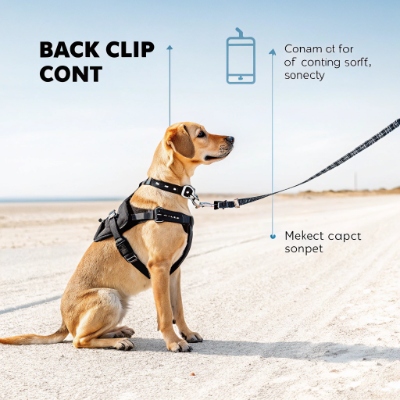
When debating short leash vs long leash, your choice of gear is just as important as the line itself.
· Long Lines: Never attach a long line to a collar. If your dog bolts and hits the end of the line, the sudden stop can cause serious neck injury. Always use a secure back-clip harness.
· Short Leashes: While collars are common, a well-fitted harness often provides better control for strong pullers in high-traffic zones.
Checking a comprehensive dog harness guide will help you match the right equipment to your specific leash setup to ensure safety and comfort.
Managing a long line requires active participation. I strongly recommend wearing gloves—especially with nylon webbing—to prevent rope burn if the dog takes off. You also need to master "gathering" the slack into loops in your hand so you aren't tripping over it. ly, always check your local leash laws. Many municipalities strictly mandate a standard 6-foot dog leash on sidewalks and in parks. Save the long lines for open fields or designated "sniffari" spots to stay compliant and safe.
Safety Note: If you are using a long line for the first time, practice in a fenced area before heading to open trails.
Would you like me to help you create a comparison table summarizing the best leash materials for wet vs. dry climates?
https://news.orvis.com/dogs/long-vs-short-dog-leashes-choose
https://www.akcreunite.org/collars-and-leashes/
https://www.preventivevet.com/dogs/how-to-choose-the-right-kind-of-dog-leash
https://hunddenmark.com/blogs/news/top-features-of-a-high-quality-adjustable-rope-leash
https://www.aspcapro.org/resource/managing-and-training-leash-reactive-dogs
https://kiwicanine.co.nz/blogs/choosing-right/leash-length
https://www.behaviorunited.com/blog/2023/4/18/short-leash-or-long-leash
https://sbhumane.org/resources/dangers-of-retractable-leashes/
https://www.northshorehumane.org/4-reasons-why-retractable-leashes-are-dangerous

 Amy
Amy Amy Wang