Thinking about launching your own private label pet products brand, but not sure where to start?
You’re not alone.
More retailers, Amazon sellers, and boutique pet brands are quietly shifting to private label pet products because they offer:
· Higher profit margins than reselling national brands
· Full control over branding, pricing, and packaging
· Faster time-to-market without owning a factory
In this guide, you’ll see exactly how to go from idea to shelf-ready products: from choosing winning categories like pet supplements, natural treats, and grooming products, to partnering with a trusted manufacturer like MinardiPets for premium, compliant, ready-to-brand formulas.
If you’re serious about building a real pet brand—not just another store—keep reading.
Private label pet products are items made by a specialist manufacturer but branded, owned, and sold under your name. You control the label, brand story, and pricing, while a third party handles production.
Model | Who Owns the Brand? | Who Manufactures? | Key Point |
Private label pet products | You | Third-party factory | Custom recipe, branding, and positioning under your label |
White label pet supplies | You | Third-party (same formula for many) | Generic formula; you only change logo and packaging |
Pet care contract manufacturing | You | Factory you hire | You provide formula; they produce to your spec |
National brands |
Private label pet products give you a fast, low-risk way to build a strong pet brand without owning a factory. I treat it as the smartest “shortcut” to enter or scale in the pet market.
Benefit | What It Means For Your Pet Brand |
Cost-effective scaling | No need to invest in production plants or heavy equipment. You pay for finished goods, not factories. |
Full control over branding | You own the logo, design, story, and pricing. The products look and feel 100% like your brand. |
Custom product options | Choose flavors, ingredients, formats, and packaging that match your niche (e.g., functional dog chews, natural cat treats). |
Faster time-to-market | Use proven formulas and ready production lines to launch in weeks, not years. Ideal for startups and new product tests. |
Lower business risk | Skip R&D labs, complex sourcing, and regulatory headaches. You focus on sales and marketing. |
Higher profit margins | You’re not paying for expensive national brand overhead. Margin is often higher than reselling big labels. |
Stronger customer loyalty | Unique recipes, packaging, and positioning make customers remember your pet brand, not a generic product. |
Aligned with 2026 trends | Pet parents now trust premium private label as much as big brands, but still want fair prices and high quality. |
If you combine private label pet products with sharp branding and clear positioning (for example, “natural functional dog treats for active dogs”), you can grow fast, look premium, and still stay price-competitive in 2026’s global pet market.
When I build or expand a pet brand, I focus my private label pet products on a few core categories that move fast, are easy to differentiate, and keep margins healthy.
Category | What Sells Best | Why It Works |
Treats & Chews | Natural, grain-free, functional chews | High repeat purchase, easy storytelling, impulse buys |
Supplements | Joint, skin & coat, calming, multivitamins | High value, strong demand from health-conscious owners |
Grooming & Care | Shampoos, conditioners, sprays, balms | Great for bundles, branding, and subscription add ons |
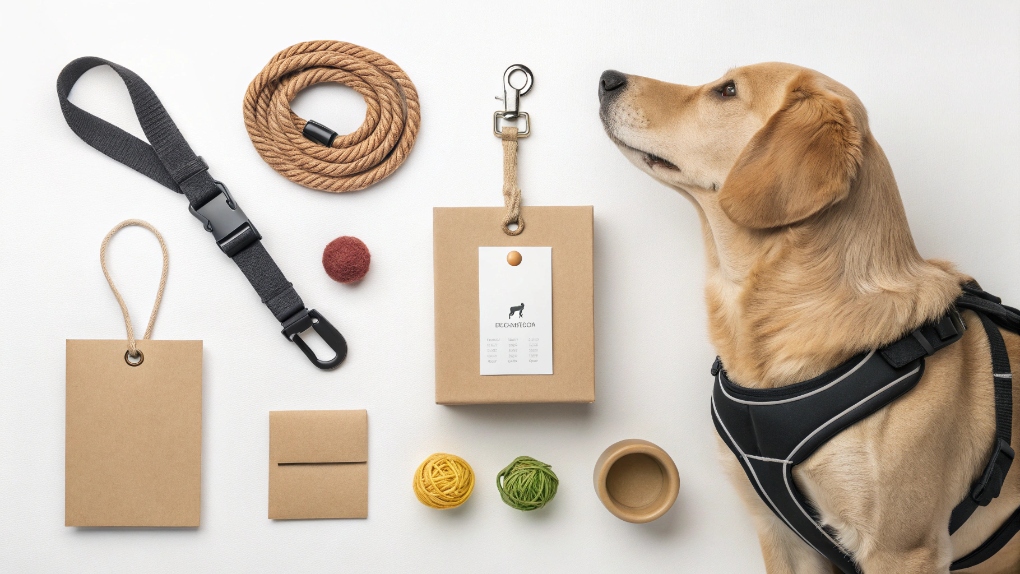
Toys & Accessories | Eco-friendly toys, harnesses, leashes, bowls | Supports lifestyle branding and higher AOV |
Emerging Niche Products | Sustainable, breed-specific, vet-style wellness products | Less competition, easier to stand out in search |
I treat this as my volume driver. Think:
· Natural treats & functional chews (dental, hip & joint, calming) with clear benefits on the label.
· Product ideas: single-ingredient jerky, soft training bites, long-lasting chews.
· With custom pet treats manufacturing, I can turn simple recipes into branded bestsellers, like our own line of natural private label dog treats and chews.
Pet supplement private labeling is where I usually build margin:
· Focus on joint health, calming support, immune boost, and multivitamins for dogs and cats.
· Use simple claims, clean labels, and clear dosing charts so global customers can trust them quickly.
· I prefer USA-made, NASC-style formulas similar to our soft chew and powder supplement ranges that follow strict quality standards, such as our joint and wellness pet supplement lines.
Dog grooming products branding is perfect for building a clean, premium image:
· Shampoos and conditioners tailored to sensitive skin, puppies, or odor control
· Leave-in sprays, paw balms, and coat oils as upsell items
· Bundle with brushes or towels to create easy “home grooming kits”
For white label pet supplies, toys and accessories help me tell a lifestyle story:
· Eco-friendly pet toys made from recycled or natural materials
· Durable toys for power chewers, plus interactive and puzzle toys
· Branded collars, leashes, harnesses, and travel bowls that keep my logo visible daily
To stay ahead of pet industry trends 2026, I always test a few niche SKUs:
· Sustainable lines: biodegradable poop bags, bamboo bowls, recycled-fabric beds
· Health-focused products: functional pet chews with probiotics, omega-rich snacks
· Breed-specific or size-specific items: targeted formulas for small breeds, large joints, or senior pets
When I combine 1–2 mass-market categories (like treats and supplements) with 1–2 niche angles (sustainable or breed-specific), my private label pet products stand out fast and convert better across global e commerce channels.
Starting a private label pet products brand is simple if you follow clear steps. Here’s exactly how I’d do it.
· Decide who you serve first: dog owners, cat owners, or both.
· Go deeper: health conscious buyers, raw feeding fans, eco friendly shoppers, premium “pet parent” segment.
· Study top competitors in private label dog food, white label pet supplies, and functional pet chews to see gaps you can fill.
· Pick 1–3 core products to start (e.g., natural treats, joint supplements, grooming shampoos).
· Decide what makes them different: grain free, hypoallergenic, single protein, eco friendly, USA made pet products, or breed specific formulas.
· For supplements and functional chews, think in “problems”: joint health, skin & coat, calming, digestion.
· Look for low MOQ pet manufacturers so you can test the market without huge risk.
· Prioritize a partner experienced in pet supplement private labeling, custom pet treats manufacturing, and pet care contract manufacturing.
· A specialist like MinardiPets private label pet products helps you handle quality, compliance, and scalable production from day one.
· Lock in a simple, memorable brand name and clear positioning.
· Design packaging that speaks to your niche: clean, premium, or playful—depending on your target customer.
· Make sure labels clearly show benefits (e.g., “hip & joint support”, “grain free training treats”) and comply with local rules.
· Check pet product regulations in your main markets (ingredient rules, claims, labeling requirements).
· For supplements, work with manufacturers familiar with certifications like NASC and Good Manufacturing Practices.
· Keep documents for each SKU (COAs, spec sheets) ready in case retailers or platforms request them.
· Start online first: your own Shopify or WooCommerce store plus key marketplaces.
· Add retail or wholesale later once you have proven sellers and reviews.
· Use simple models like dropshipping or small inventory runs to test products before scaling big.
Follow these steps and you’ve got a clear, practical pet brand launch guide for getting your private label pet products to market fast, without owning a factory.
Picking the right partner can make or break your private label pet products brand. I always look for a manufacturer that feels like part of my team, not just a supplier.
When I source private label pet supplies, these are non negotiable:
Low MOQs (Minimum Order Quantities)
Flexible starting volumes so I can test SKUs without burning cash
Scalable production once a product takes off
High quality ingredients & materials
Human grade or premium grade inputs where possible
Clear documentation on sourcing, specs, and safety testing
USA/EU sourcing & compliance
Facilities that follow FDA / EU pet regulations and GMP standards
Transparent certificates (COAs, audits, quality reports)
Custom formulations & branding options
Ability to tweak flavors, active ingredients, and formats
Full private label support: formulas, packaging, labeling, and barcodes
I walk away fast if I see:
· Vague answers about ingredient sourcing or lab testing
· No written quality control process or certifications
· No product liability insurance
· Very slow response times or inconsistent communication
· No flexibility on packaging, branding, or formula changes
Before I sign anything, I always ask:
· What’s your MOQ per SKU for treats, supplements, and grooming products?
· Can you share COAs and safety test reports for current batches?
· Do you support custom recipes, or only basic white label pet supplies?
· What’s your lead time for first orders and reorders?
· How do you handle defects, recalls, or formulation changes?
MinardiPets is a strong example of what I look for in a private label pet products partner:
· Focus on natural, premium pet lines (treats, chews, grooming, and accessories)
· Flexible MOQs, ideal for testing new markets or launching a fresh pet brand
· Support for custom formulations and tailored branding for different regions
· Experience with eco friendly pet accessories, including options like their durable pet harnesses and high quality pet leashes
A strong manufacturer lets you stay laser focused on what really grows the business: branding, customer experience, and smart distribution, while they handle the heavy lifting behind your private label pet products.
Private label pet products in 2026 are moving fast, and if you’re building a brand, you need to be right on these shifts.
Pet parents now expect functional benefits, not just “treats” or “shampoo”:
· Functional treats and chews for joints, calming, skin & coat, digestion
· Pet supplement private labeling with clean, transparent formulas
· Focus on natural, limited-ingredient recipes and clear dosing
If your products don’t clearly say what health problem they help with, you’ll lose shelf space and clicks.
The global market is pushing hard toward sustainability:
· Eco-friendly pet toys made from recycled or plant-based materials
· Packaging that’s recyclable, minimal, or biodegradable
· Responsibly sourced ingredients and cruelty-free testing
Brands that can prove “green” without greenwashing win long-term trust.
Customers no longer see private label as “cheap knockoffs”:
· Shoppers believe many private label pet products match or beat big brands
· Retailers push store brands with better margins and strong branding
· Smart branding + solid manufacturing = national-brand look, better price
This is the window where small brands can look as “big” as legacy players.
Online is where growth is exploding:
· Direct-to-consumer stores plus Amazon, Chewy, and regional marketplaces
· Subscription boxes for treats, chews, and supplements (auto-refill essentials)
· Bundles: treats + supplements + grooming for higher AOV and repeat orders
If you’re planning functional chews or treats, pairing them with a recurring subscription model is one of the easiest ways to stabilize revenue. For example, you can turn a simple chew line into a consistent, branded wellness program using natural pet treats from a flexible partner like MinardiPets’ functional treats line.
If you keep your private label pet products tight, your story clear, and your quality real, it’s completely possible to build a strong, loyal customer base without ever owning a factory.

 Amy
Amy Amy Wang