part 4 :https://www.minardipets.com/news/rope-and-other-dog-leash-materials.html
Dog leash material series:part 5of 5
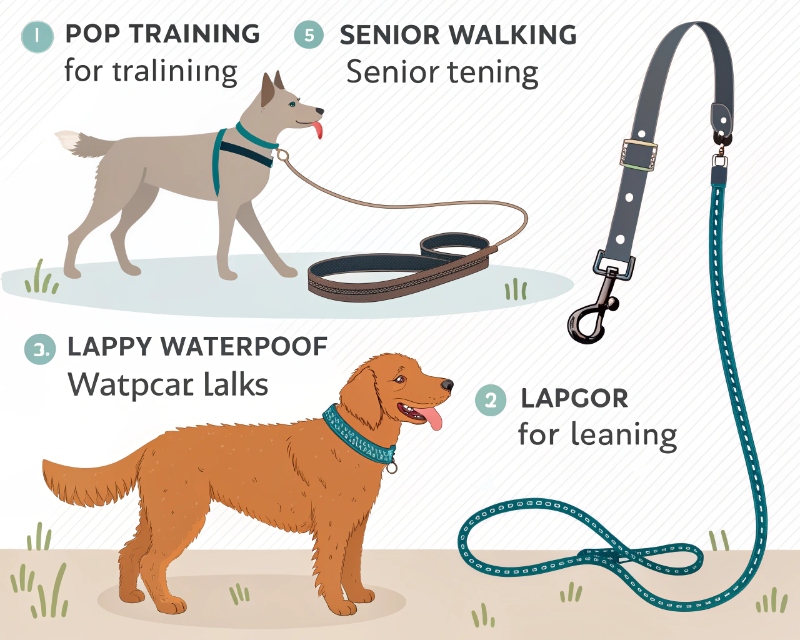
Best leash material for puppies
For puppies, I focus on safety, softness, and control. The best puppy leash materials are:
· Nylon dog leash (lightweight webbing): soft enough for small necks, easy to handle, cheap to replace if chewed.
· Soft rope dog leash (cotton blend): comfortable in the hand, less risk of leash burn, great for first walks.
For most new owners, I recommend a light nylon or cotton rope leash with good hardware rather than anything heavy or stiff.
Senior dogs usually need comfort and gentle handling more than brute strength. Ideal options:
· Leather dog leash: has a warm, broken in feel, great grip, less harsh on arthritic hands.
· Soft nylon or polyester leash: choose padded handles or wider webbing for more comfort.
If your senior dog wears a harness (which I strongly recommend for older joints), pairing it with a soft leather or padded nylon leash works very well. If you’re still setting up basic gear, you can follow the same sizing logic used in this guide for choosing and fitting dog collars.
Reactive and anxious dogs need secure grip and high control:
· Leather leash: top pick for control and non-slip grip when a dog lunges.
· Climbing rope dog leash: strong, slightly cushioned, good for sudden pulls.
· Biothane leash with a matte, non-glossy finish: good grip in wet weather, easy clean if your dog rolls in dirt when stressed.
For reactivity, I stay away from thin, slick nylon because it can slip or burn your hands during sudden lunges.
For training and long-line recall, I look at handling + drag resistance:
· Biothane long line: my top choice. It’s waterproof, doesn’t soak up mud, and slides over grass without snagging too much.
· Nylon long line: affordable and light, good for dry fields and basic recall work.
· Climbing rope long line: great for stronger dogs; comfortable grip if you need to reel them in.
If you’re already using professional harnesses (or sourcing from an OEM dog harness manufacturer), pairing them with a Biothane training leash is a strong all round combo.
For wet climates, I always go straight to fully waterproof leash materials:
· Biothane leash: hands-down the best waterproof dog leash material. It doesn’t absorb water, salt, or odor, and wipes clean after sand, mud, or sea water.
· Rubber-coated or PVC-coated webbing (Biothane-style): similar benefits, great for swimming, boating, and daily rainy walks.
For beach, rain, and outdoor adventures, a Biothane or coated webbing leash is the most practical, low-maintenance, and long-lasting option.
Keeping each dog leash material clean and safe is non negotiable if you want real durability and reliability. Here’s how I handle each type.
Nylon dog leashes are easy care, but they hold dirt and odor if you ignore them.
Basic cleaning routine:
· Soak in warm water + mild detergent for 15–30 minutes
· Gently scrub with a soft brush, focusing on stitching and hardware
· Rinse very well to remove soap (or it can irritate skin)
· Air dry flat and out of direct sun to avoid fading and stiffness
If you’re already using nylon dog collars or leads, it’s smart to clean them together and follow similar care steps as you’d use for heavy duty nylon dog collars.
Avoid:
· Bleach or harsh chemicals
· High heat (dryer, radiator, direct strong sun for hours)
A leather dog leash will last years if you treat it like a good pair of boots.
Care routine:
· Wipe down with a damp cloth after dirty walks
· Use saddle soap or gentle leather cleaner when it’s visibly dirty
· Apply leather conditioner every 1–3 months (more in dry climates)
· Let it dry naturally, never on a heater or in full sun
Avoid:
· Soaking in water
· Harsh detergents, alcohol wipes, or baby wipes
· Folding/sharply bending the leather (it’ll crack over time)
Biothane leash material is one of my favorites for “wash and go.”
Quick clean:
· Rinse under running water to remove mud and grit
· For heavy dirt, wipe with a sponge + mild soap
· Rinse and towel dry; it’s basically ready to use again
Good to know:
· Biothane is waterproof and odor resistant, so it won’t stay damp or smelly
· Check where the Biothane joins the hardware; scrub lightly if sand packs in
Rope dog leashes (cotton or climbing rope) need a bit more care to keep their strength and feel.
Cotton rope care:
· Hand wash in cool water with mild soap
· Gently squeeze (don’t wring hard, it can warp the rope)
· Air dry fully before using again
Climbing rope leashes:
· Soak in cool water, optionally with rope safe detergent
· Light brush for mud, especially around knots and hardware
· Hang to dry away from high heat or direct harsh sun
Avoid:
· High heat dryers
· Strong chemicals that can weaken fibers
· Leaving rope leashes wet in a pile (mold, smell, and fiber damage)
I treat leash checks like checking tires—you don’t skip it.
Quick safety check (do this weekly if you walk daily):
· Look for fraying, cuts, or thinning on webbing, rope, or cotton
· Check leather for cracks, stiffness, or stretching
· Inspect Biothane for splits, deep cuts, or peeling coating
· Test hardware (clips, rings) for rust, bending, or weak springs
Replace immediately if:
· You can see inner threads or serious fraying
· The clip doesn’t spring closed 100% every time
· The leash has been chewed through even partially
· Leather has deep cracks or feels like it could tear if you pull hard
A solid, well maintained leash—no matter the material—is part of having a truly heavy duty, safe setup. If you’re buying new leashes and collars in bulk, I also recommend following the same inspection standards you’d use for wholesale dog collars and leads so your whole kit is consistent and reliable.
Keeping your dog safe starts with the right dog leash material and regular safety checks. I treat leashes like safety gear, not fashion only.
No matter if you use nylon, leather, Biothane, rope, or chain dog leashes, the weakest point is usually the hardware.
· Carabiner/clip:
· Choose solid metal (stainless steel or quality alloy), not thin or hollow.
· For strong pullers, look for locking carabiners or heavy duty clips.
· Rivets & stitching:
· On leather and Biothane leashes, check rivets for rust or looseness.
· On nylon, polyester, and rope dog leashes, inspect stitching for broken or loose threads.
· D rings & swivels:
· Make sure they rotate smoothly and aren’t bent or opening.
If you’re pairing your leash with a collar, make sure both are equally strong – a solid dog collar with sturdy hardware matters as much as the leash.
Some dog leash material types can cause friction burns on your hands, especially with pullers or sudden lunges.
· High risk for leash burn: thin nylon, rough polyester webbing, some rope leashes.
· Better for grip and comfort: padded nylon, soft leather, Biothane, and some climbing rope dog leashes.
To protect your hands:
· Use a leash with padded handle or soft grip.
· Avoid wrapping the leash around your hand or fingers.
· For strong dogs, consider a comfortable grip leash made from leather or Biothane.
Do a quick 10 second check before walks, no matter which leash material you use.
· Nylon & polyester dog leashes:
· Look for fraying, fuzziness, thinning, or cuts along the edges.
· If you can see light through a worn spot, replace it.
· Leather dog leashes:
· Watch for cracks, stiffness, deep creases, or stretching near the clip or handle.
· Dry, unconditioned leather is more likely to snap.
· Biothane leashes:
· Check for deep cuts, peeling, exposed webbing, or warped areas.
· Rope dog leashes:
· Look for pulled fibers, core showing through, or flattened spots from heavy wear.
· Chain dog leashes:
· Inspect for bent links, rust, or open gaps where links are starting to separate.
If anything looks suspicious, treat it as unsafe until you replace it.
I don’t wait for a failure. A durable leash material still has a lifespan.
Retire and replace your dog leash when you notice:
· Any visible damage near the clip, handle, or main stress points.
· Hardware that sticks, doesn’t fully close, or has visible gaps.
· A leash that has survived a serious incident (car snag, fence snag, bite-through attempt).
· A chewed section, even if it looks “small” – chewing destroys hidden strength.
As a simple rule:
· If you hesitate about trusting that leash with your dog’s life near traffic, crowds, or other dogs – it’s time to replace it.
Safety is cheaper than an emergency vet bill or a lost dog.
For daily walks, leather, Biothane, and high quality nylon dog leash webbing are the most durable leash materials.
· Leather dog leashes: Great long-term strength, soften with use, ideal if you want a leash that can last years with basic care.
· Biothane leash: Extremely tough, waterproof, and doesn’t absorb odor – perfect if you want an easy clean leash that stays looking new.
· Heavy duty nylon leash: Strong and budget friendly, especially when stitched well and paired with solid hardware.
For pulling dogs and powerful breeds, I always recommend:
· Leather dog leash – Best mix of grip, strength, and slight “give” so it’s easier on your hands and shoulders.
· Biothane leash – High strength ratings, low stretch, and doesn’t get heavy in the rain.
· Climbing rope dog leash – Great for shock absorption and comfort, especially for bigger dogs that lunge.
If your dog is a serious puller, pair a heavy duty dog leash with a properly fitted harness. If you’re unsure on fit, guides like this one on how to fit dog leads and harnesses correctly are worth a look.
If you deal with rain, snow, mud, or beach trips, then yes – waterproof dog leash materials like Biothane and coated webbing are absolutely worth it.
· They don’t soak up water or smell.
· Super quick to rinse and wipe clean.
· Great for outdoor adventures, travel, and dogs that love water.
For dry, mostly urban walks, nylon or leather can be completely fine, as long as you’re okay with a bit more cleaning and care.
To avoid leash burn from rough or thin dog leash materials:
· Choose leash material with a comfortable grip (padded nylon, soft leather, rope with a smooth weave, or Biothane).
· Avoid thin cord-style leashes for strong or reactive dogs.
· Keep the leash short but loose, so you’re not constantly sliding it through your hand.
· In training or with a pulling dog, wear light gloves until your handling is more controlled.
You can use the same dog leash material for puppies and adults, but I tweak it by stage:
· Puppies: Go for lightweight nylon or soft rope dog leashes so it’s not too heavy. Avoid chain unless you have a serious chewer.
· Adult dogs: Upgrade to more durable leash material like thicker nylon, leather, or Biothane once size and strength are more predictable.
· Chewy pups: A short chain dog leash segment near the clip can help protect the main leash, but I still prefer training away from chewing rather than relying only on chain.
If you’re in the UK and want a quick overview of suitable options by dog size and lifestyle, our guide to the best dog leads in the UK breaks down which materials make sense for everyday use.

 Amy
Amy Amy Wang