Part 1:https://www.minardipets.com/news/dog-leash-material-guide.html
Dog leash material series -part 2 of 5
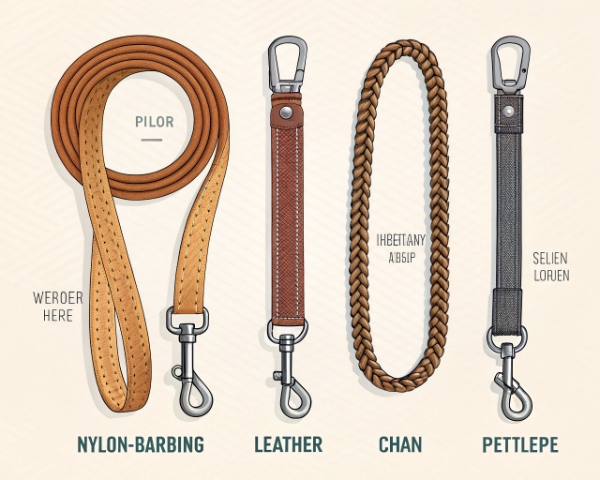
Choosing the right dog leash material comes down to comfort, strength, weather, and your dog’s behavior. Here’s a simple breakdown of the main dog leash material types and when each one makes sense.
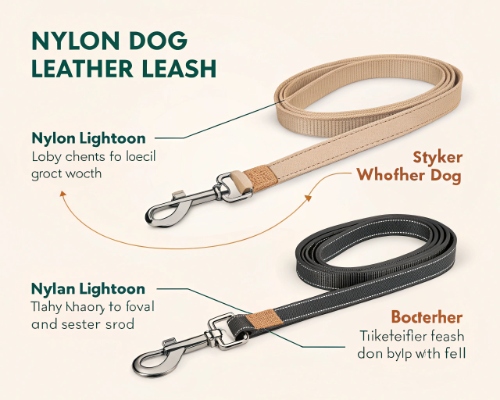
Pros:
· Lightweight, strong, and cheap
· Huge range of colors, patterns, and reflective options
· Easy to find in every style: standard, long line, training, retractable
Cons:
· Can cause leash burn if your dog pulls hard
· Soaks up water and can hold odors
· Frays over time, especially with chewers
Nylon dog leashes are my go to for everyday walks when you want a durable leash material on a budget.
Pros:
· Very comfortable grip once broken in
· Excellent strength for medium to large, strong dogs
· Ages well and can last years with care
Cons:
· Higher price than nylon
· Not ideal for water, mud, or beach use
· Needs conditioning to avoid cracking
A leather dog leash is a great choice if you want a comfortable grip leash that looks premium and handles pulling well.
Pros:
· Fully waterproof, odor resistant, and super easy to clean
· Doesn’t get slimy, stiff, or moldy
· High strength ratings even for large, powerful dogs
Cons:
· Slightly more expensive than nylon
· Grip can feel slick when wet if you don’t choose a textured version
A Biothane leash is perfect if you want an easy clean leash for rain, mud, and the beach. It’s a strong alternative in the Biothane vs nylon leash debate if you’re outdoors a lot.
Pros:
· Soft cotton rope is gentle on hands
· Climbing rope is extremely strong and great for pullers
· Some natural stretch for shock absorption
Cons:
· Cotton rope absorbs water and dirt easily
· Climbing rope can be bulky and heavier
· Not ideal for heavy chewers
A rope dog leash works well if you want comfort and a bit of “give” for active or large dogs.
Pros:
· Very resistant to chewing
· Can prevent some dogs from destroying their leash
Cons:
· Heavy and uncomfortable for both dog and handler
· Zero shock absorption and noisy
· Can look harsh and is not ideal for training
A chain dog leash is a niche option I only consider for extreme chewers, and usually only as a short-term fix.
Pros:
· Similar to nylon but can be softer and more colorfast
· Often used in webbing leashes with reflective strips or padded handles
· Good balance of strength, weight, and price
Cons:
· Still prone to fraying and wear over time
· Not as premium-feeling as leather or Biothane
Many polyester dog leashes and mixed-fabric sets come as part of a dog collar, harness, and leash set, like the ones shown in this dog collar harness leash set overview.
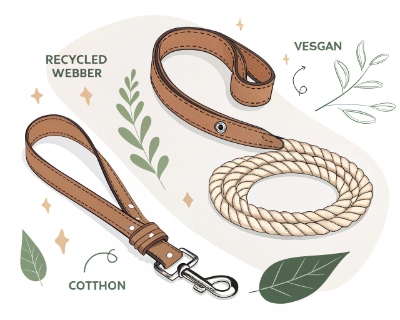
Options:
· Recycled nylon or polyester webbing
· Cork, microfiber, or PU “vegan leather” leashes
· Organic cotton rope or canvas
Pros:
· Lower environmental impact
· Vegan friendly while still looking stylish
· Often paired with lightweight hardware and reflective details
Cons:
· Durability varies a lot by brand
· Some vegan leather cracks faster than real leather
If you want an eco friendly dog leash material or vegan leather leash, look for brands that clearly show strength tests and hardware quality, similar to how high end dog slip leads are explained in this slip lead benefits guide.
More information ,please read part 3 :https://www.minardipets.com/news/dog-slip-lead-safety-3.html

 Amy
Amy Amy Wang