 Understanding Dog Lead Types
Choosing the right dog lead is key to enjoyable walks with your pup. Let’s explore the main types, their pros, cons, and when to use them.

Pros:
· Simple, reliable, and easy to use
· Great control, especially for training and crowded areas
· Usually made from durable materials like nylon or leather
Cons:
· Limited movement for your dog
· Can feel restrictive during off-leash play
Best for:
· Everyday walks, busy urban environments, and basic training
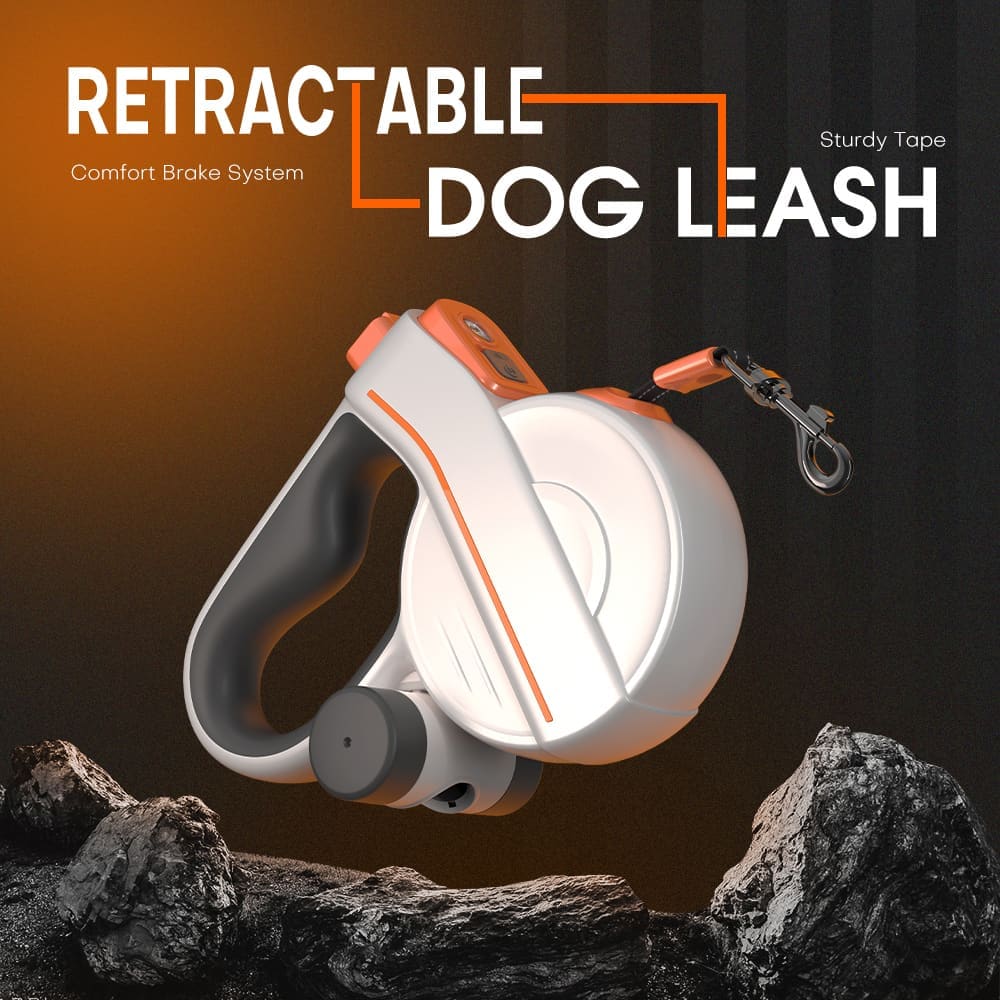
Benefits:
· Adjustable length gives your dog more freedom
· Ideal for parks and open spaces
· Lightweight and convenient
Safety Risks:
· Risk of sudden jerks or entanglement
· Difficult to control in busy or high-traffic areas
Tips:
· Use only in safe, open areas
· Always lock the length when near traffic or other dogs
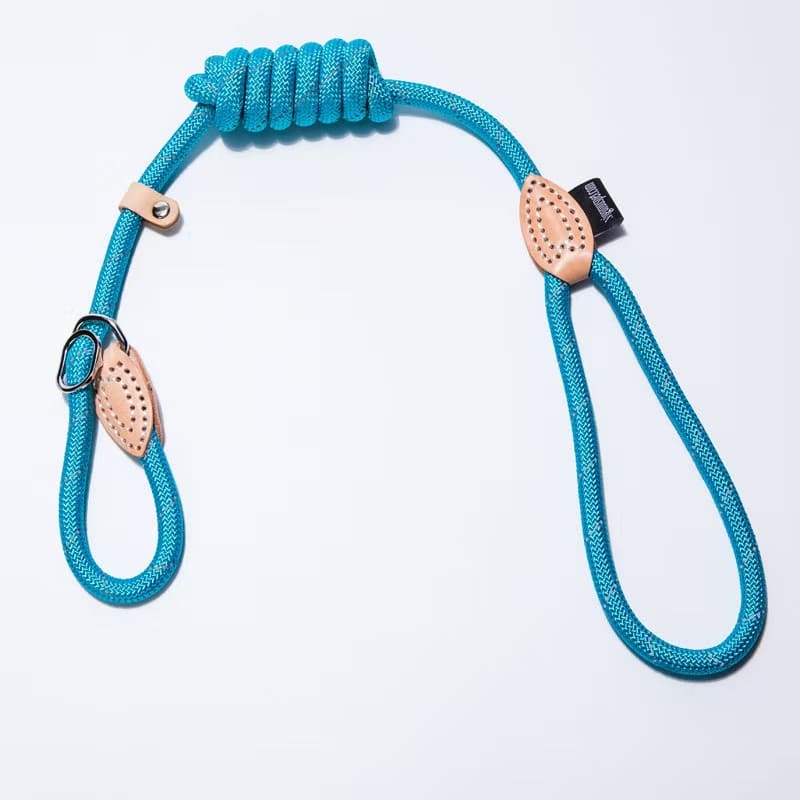
Quick-Adjust Design:
· Combines collar and lead in one easy loop
· Tightens gently when your dog pulls, helping with training
Training Benefits:
· Useful for puppies and quick corrections
· Great for vet visits or temporary control
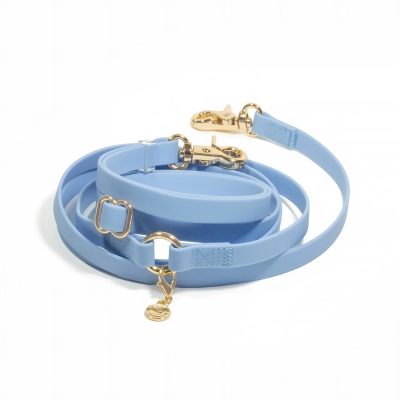
Recall Practice:
· Extra-long leads (10-30m) encourage safe off-leash recall training
· Build positive reinforcement with distance control
Best Use:
· Ideal for secure open fields and training sessions
Ergonomics:
· Hands-free leads clip to your waist, perfect for running or cycling
· Multi-dog leads let you walk two dogs at once, reducing tangles
Multipurpose Use:
· Great for active lifestyles and busy dog owners

Lead Type | Typical Length | Material Examples | Best Use Case |
Fixed-Length Lead | 1-2 meters | Nylon, Leather | Everyday walks, training |
Retractable Lead | Up to 8 meters | Nylon, Thin Cord | Open spaces, more freedom |
Slip Lead | 1-2 meters | Nylon, Leather | Puppy training, vet visits |
Long-Line Lead | 10-30 meters | Nylon, Biothane | Recall training, open fields |
Hands-Free Lead | 1-2 meters (waist) | Nylon, Elastic | Jogging, cycling |
Multi-Dog Lead | 1-2 meters per dog | Nylon, Leather | Walking multiple dogs |
Choosing the right lead means knowing your dog’s needs and where you’ll be walking. Each type has unique perks and some things to watch for—pick what matches your lifestyle best!
Choosing the right dog lead means thinking about several important factors to keep your walk safe and comfortable.
Different dogs need different leads. Small breeds benefit from lightweight leads that won’t weigh them down, while larger or stronger dogs need sturdy, durable options. For example, strong pullers might need a heavy-duty lead or one designed to reduce pulling.
Common materials include nylon, leather, and biothane. Nylon leads are affordable and come in many styles but wear out faster. Leather is strong and ages well but needs more care. Biothane is a waterproof, durable alternative, great for wet UK weather and active dogs.
Look for reflective strips for night-time visibility, break-resistant clips or hardware, and anti-pull designs to help control strong dogs safely. These features can reduce risk and increase peace of mind during walks.
Ergonomic handles and padded linings can make a difference, especially on longer walks. Comfortable grip prevents hand strain and encourages longer, more enjoyable outings.
Dog leads come in all price ranges. While it’s tempting to go for the cheapest, investing in quality often saves money long-term. Eco-friendly leads, such as those made from recycled materials, are increasingly popular and help reduce environmental impact.
In the UK, choosing a lead that complies with countryside codes is essential — lightweight leads that don’t snag and comply with local restrictions help ensure responsible walking. For detailed fitting advice and material comparisons, check out this guide on how to fit dog leads and the benefits of nylon vs leather dog collars.
Picking the right lead means balancing these factors based on your dog’s needs and your lifestyle, so every walk is safe and enjoyable.
Choosing the right dog lead depends a lot on your dog’s age, behaviour, and how you use it. Here are some solid recommendations for common UK situations:
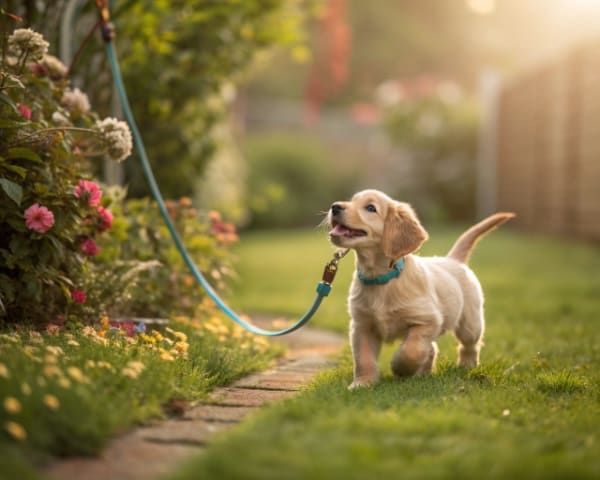
Adjustable slip leads are great for puppies and beginners. They’re easy to use and help with basic control without being harsh. Gentle leaders or headcollars also provide gentle guidance, ideal for training young dogs gently and effectively.
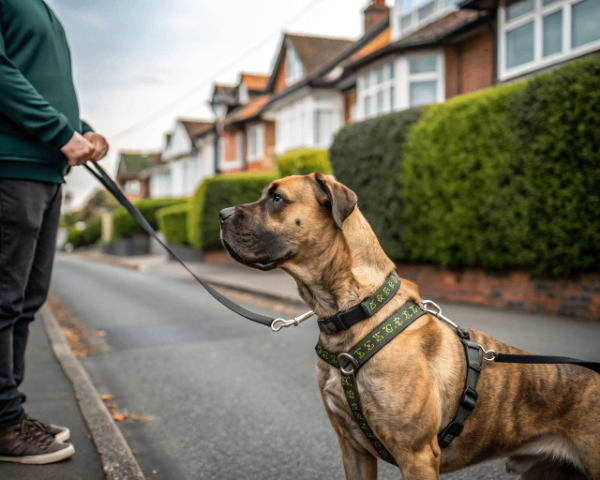
For dogs that pull hard or react to distractions, heavy-duty chain leads or front-clip leads paired with no-pull harnesses can offer better control and safety. These leads withstand strong tugs and help manage behaviour without causing harm.
If you enjoy jogging, hiking, or cycling with your dog, weatherproof leads and hands-free designs are a must. Look for durable, waterproof materials and ergonomic hands-free leads that allow you to keep moving while keeping your dog secure.
In busy towns and cities, patterned or hi-vis leads combined with matching collars not only add style but improve visibility during low-light walks. These are practical and trendy options for urban dog owners.
Here’s a quick table summarising some top picks by category, with pros, cons, typical prices, and where to buy:
Lead Type | Pros | Cons | Price Range | Buying Info |
Adjustable Slip Lead | Easy to use, good for training | Can slip off if too loose | £8 - £15 | See top UK dog leads for options |
Gentle Leader Headcollar | Effective control, gentle | Needs proper fitting | £15 - £25 | Gentle leader guides available |
Heavy-Duty Chain Leads | Strong, durable | Heavy, can be uncomfortable | £20 - £40 | Durable options online or local pet stores |
Front-Clip Leads | Reduces pulling | May take training to get used to | £15 - £30 | Popular with reactive dog owners |
Hands-Free Leads | Ideal for exercise, hands-free | Not suitable for all dogs | £12 - £25 | Often combined with running belts |
Hi-Vis Patterned Leads | Stylish, high visibility | Limited heavy-duty options | £10 - £20 | Available in pet boutiques and online |
For more on choosing perfect leads, especially retractable ones, check the in-depth retractable dog leash reviews.
This way, you get a lead that fits your lifestyle and keeps your dog safe and comfortable.
Teaching your dog to walk politely on a lead makes walks more enjoyable and safer for both of you. Start with loose-leash walking basics by rewarding your dog every time they walk beside you without pulling. Use short sessions, stop moving when the lead tightens, and praise them once the tension eases. Consistency is key—keep training fun and positive.
Different breeds may need tailored approaches. For example, energetic breeds like terriers or retrievers often benefit from more exercise before walks, helping reduce pulling, while sensitive dogs might require slower progress with extra reassurance. Tracking progress with notes or apps can help you see what works best for your dog's unique temperament.
Watch out for common pitfalls like chewing the lead or fear reactivity. Redirect chewing with a toy or substitute and practice calm exposure techniques for fearful pups. Patience and calm guidance can transform these challenges into learning opportunities.
In the long run, good lead behaviour strengthens your bond and encourages regular exercise, leading to better health and fewer vet visits. Owners across the UK often share success stories about how a well-fitted slip lead or gentle leader on a dog made walks more manageable and even enjoyable.
Combining training with the right gear, such as those detailed in our dog harness guide, can really boost your success on every walk.
To keep your dog lead working well and looking good, regular cleaning is essential—and the method depends on the material.
· Nylon leads: Wash with mild soap and warm water, then air dry. Avoid harsh detergents that can weaken the fibres.
· Leather leads: Use a leather cleaner or saddle soap and follow up with a conditioner to keep the leather supple. Don’t soak in water or expose to direct heat.
· Biothane leads: These are waterproof and easy to clean—just wipe down with a damp cloth or mild detergent.
Proper storage also matters. Keep leads dry and out of direct sunlight to prevent fading and wear. Regularly inspect for signs of fraying, cracks, or damaged hardware, especially if you often walk in rough or wet conditions.
When travelling, pack leads separately in a small bag to avoid tangles and damage. For multiple dogs, rotating leads between walks can reduce wear and extend lifespan.
Consider eco-friendly repurposing when a lead’s life ends—cut up durable materials for DIY projects or donate gently used leads to local shelters.
Taking these simple steps ensures your dog leads stay safe, comfortable, and reliable for all your walks.
For advice on durable and no-pull walking gear, see our detailed guide on choosing the right dog harness.
Understanding UK dog lead laws is key to safe and responsible walking. National rules and Public Space Protection Orders (PSPOs) often require dogs to be on leads in busy areas, public transport, and during specific wildlife seasons. It’s important to check local regulations before heading out.
Region | Lead Requirements | Seasonal Restrictions |
Urban Areas | Leads usually mandatory in busy zones | No specific seasonal rules |
Countryside Walks | Leads often recommended, sometimes required on footpaths | Dogs may need leads during bird nesting (March-July) |
Coastal Paths | Lead laws vary, watch for livestock warnings | Increased lead use advised in lambing season |
lUrban Commuters: Prefer shorter, sturdy leads with reflective strips for visibility during low light.
lCountryside Walkers: Often use long-line or retractable leads for freedom but control, mindful of protective rules.
lMulti-Dog Owners: Benefit from multi-dog leads especially in parks and crowded spaces.
Several UK campaigns support responsible dog walking by promoting lead use and safety, such as “Keep Britain Tidy” and local council initiatives. These often highlight the benefits of quality leads in avoiding accidents and conflicts.
· Safety: Strong, durable leads reduce breakage risks.
· Control: Proper length and design help manage dogs in different environments.
· Compliance: Meets legal requirements, reducing fines and fines.
· Community: Keeps public spaces safe and enjoyable for everyone
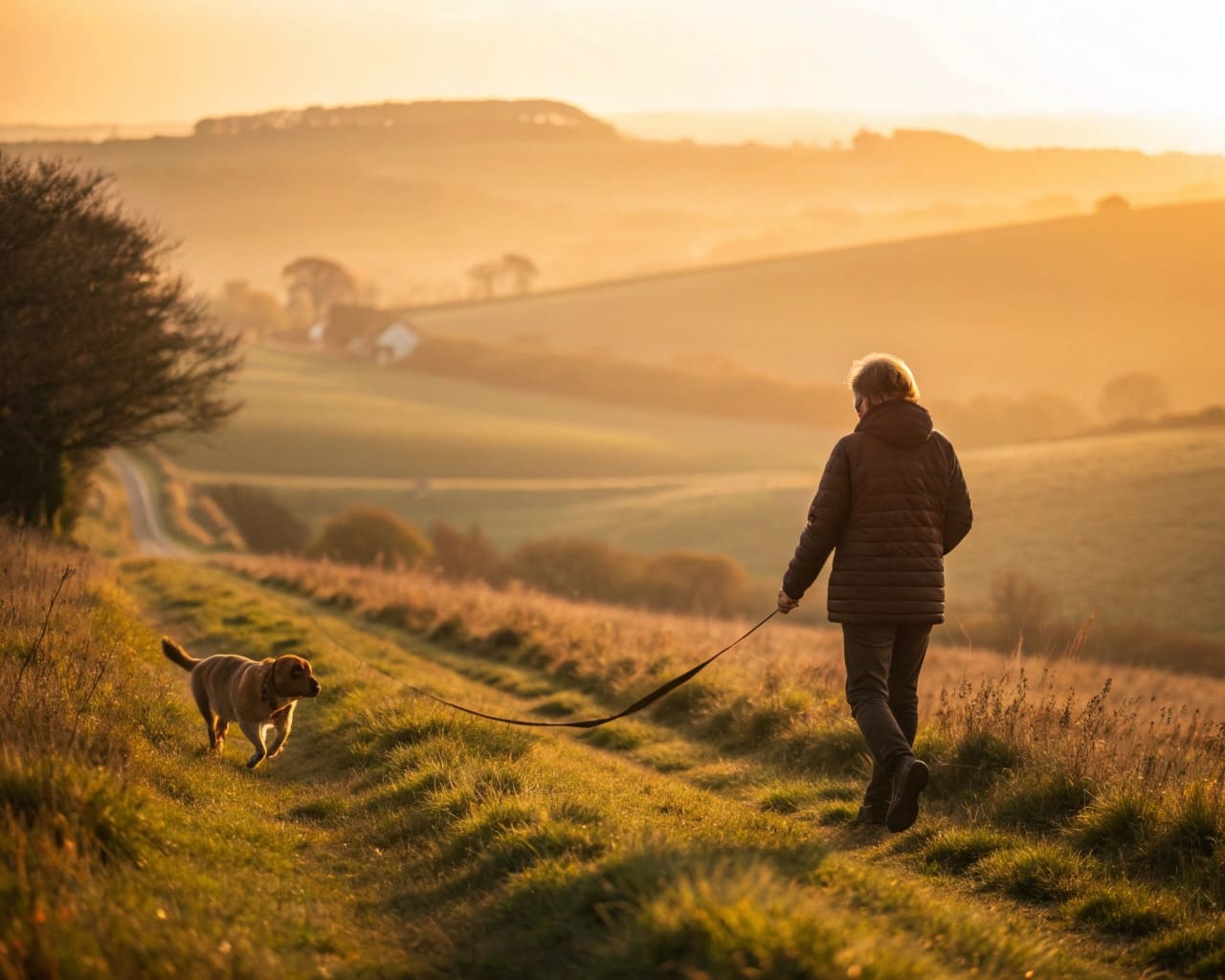
For safe walks, always consider a lead with features like reflective strips, break-resistant hardware, and suitable length—especially in compliance with local UK countryside codes. For safe and convenient walking, check out our detailed guide on retractable dog leads safety.

 Amy
Amy Amy Wang